


 By Nik, founder of 東歐嚴選|kefir.link and former chef · First published 22 February 2025 · Updated 4 November 2026
Many of our customers count their carbs, whether they follow a strict keto plan or simply eat less rice and bread. They often ask us the same thing: can kefir still have a place on my table? Yes, it can. A glass of plain kefir has a known, small amount of carbohydrate, and it turns a salad or a smoothie into a creamy, tangy meal. Here are the numbers, and the easy ways to use them.
The short answer
- A 250 g glass has 6.3 g of carbohydrate. That is the number on the label of our original milk kefir. A 100 g glass has 2.5 g.
- The live cultures use part of the milk sugar. During fermentation, the bacteria and yeasts feed on lactose and turn part of it into lactic acid.
- Choose plain kefir. Fruit and sweetened kefir have added fruit and sugar, so their carbohydrate is several times higher.
- Count it like any other food. Pick the glass size that fits your daily carbohydrate amount.
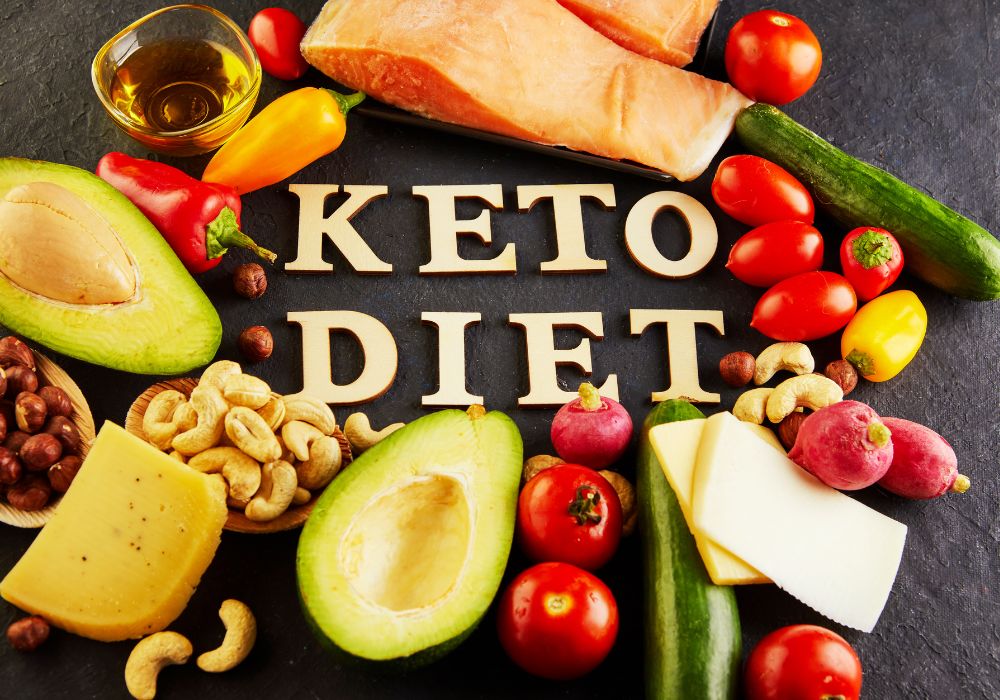
- Use it in savoury food: a kefir dressing, a dip, or a smoothie with strawberries, guava or avocado.
How we checked this guide
- Our own label: the nutrition facts of our original milk kefir, fruit milk kefir and water kefir, exactly as printed.
- How fermentation uses lactose: a review of kefir microbiology in the Brazilian Journal of Microbiology, linked next to the sentence it supports.
- Daily carbohydrate amounts: a 2020 medical review of low-carbohydrate and ketogenic diets.
- Fruit numbers: a list of low-carbohydrate fruits by a team of Taiwanese dietitians.
- Our own kitchen: the dressing and smoothie ideas are the ones we make and share with customers on LINE.
How many carbs are in a glass of kefir?
These numbers come from the nutrition label of our original milk kefir. It is made only from whole fresh milk and kefir culture, with no added sugar.
| How much you drink | Carbohydrate |
|---|---|
| A small glass, 100 g | 2.5 g |
| A medium glass, 150 g | about 3.8 g |
| One label serving, 250 g (half a bottle) | 6.3 g |
| The whole 500 g bottle | 12.5 g |
The same 250 g serving also gives 10 g of protein and 10.8 g of fat, because it is made from whole milk.
Simple rule: every 100 g of our original milk kefir counts as 2.5 g of carbohydrate.
Where the milk sugar goes
- The grains feed on lactose: lactose is the natural sugar in milk. The lactic acid bacteria in the grains turn it into lactic acid, and the yeasts turn part of it into carbon dioxide, the gentle fizz (kefir review).
- That is where the sour taste comes from: the more lactose the cultures use, the tangier the kefir becomes.
- What the label shows: the 2.5 g of sugars per 100 g on our label is the lactose that remains from the milk itself.
Choose plain kefir
Fruit and sweetened kefir taste lovely as a treat. On a low-carb day, the plain bottle is the one to reach for. You can see the difference on our own labels:
| Our kefir | Carbohydrate on the label |
|---|---|
| Original milk kefir, 250 g | 6.3 g, all from the milk |
| Fruit milk kefir, one 240 g cup | 24.4 g, with fruit, sugar and maltose |
| Water kefir, one 330 ml bottle | 9.4 g, fermented with cane sugar and dried fruit |
- Read the ingredients first. Look for milk and kefir culture only.
- Find the carbohydrate line. It is printed on the nutrition label, per serving and per 100 g.
- Add your own flavour. Fresh herbs, lemon, cinnamon or a few berries give you taste, and you decide how much.
Fitting kefir into your day
A 2020 medical review describes two common levels. A ketogenic diet keeps carbohydrate to about 20–50 g a day. A low-carbohydrate diet usually allows about 60–130 g a day (review).
- Know your daily amount. Use the number your own plan, doctor or dietitian gives you.
- Pick your glass. On a strict keto day, a 100–150 g glass uses 2.5–3.8 g. On a low-carb day, a full 250 g glass uses 6.3 g.
- Add it to your food log. Write it down like any other food, so the day still adds up.
- Pair it with protein and fat. Kefir goes well with eggs, nuts, cheese, avocado and green vegetables.
If you take medicine every day, plan a big change in your diet together with your doctor or dietitian.
A creamy kefir salad dressing
A homemade kefir dressing takes two minutes, and you choose every ingredient that goes into it.
- Measure: 3 tablespoons of plain kefir, 1 tablespoon of olive oil and 1 teaspoon of lemon juice.
- Season: add half a small garlic clove, grated, a pinch of salt and black pepper.
- Add herbs: chopped dill, parsley or spring onion.
- Stir and pour over lettuce, cucumber, tomato, boiled eggs or grilled chicken.
The kefir in this dressing adds only about 1 g of carbohydrate. For a thicker, herb-filled version, try our kefir ranch dressing.
Low-carb smoothies with kefir
Blend 150 g of plain kefir with one of these fruit combinations. The fruit numbers come from a Taiwanese dietitians’ list of low-carbohydrate fruits (list, in Chinese).
| Smoothie | What to add to 150 g of kefir | Carbohydrate, total |
|---|---|---|
| Avocado and lemon | 50 g avocado, a squeeze of lemon, a few ice cubes | about 4 g |
| Guava | 60 g guava, a few ice cubes | about 7 g |
| Strawberry and avocado | 50 g strawberries, 50 g avocado | about 7 g |
Avocado makes every smoothie thick and creamy, and it adds less than 1 g of carbohydrate per 100 g.
More easy ways to enjoy it
- A dip for vegetables: strain kefir until thick, then stir in grated cucumber and garlic. Our strained kefir tzatziki shows how.
- Over a salad bowl: pour a few spoons over avocado, cucumber and seeds for a quick lunch.
- With breakfast eggs: a small glass of kefir next to an omelette makes an easy savoury breakfast.
- Make it at home: with live kefir grains and whole milk you can make your own plain kefir. Read How to Make Kefir at Home: The Complete Guide.
- New to kefir? Start with 10 Things You Need to Know About Kefir, and see when to drink it and how much.
Plain, creamy and easy to count.
Our original milk kefir is fermented with living kefir grains and has no added sugar. Every 100 g contains 4.0 g of protein and 110 mg of calcium; calcium helps maintain the normal development and health of bones and teeth.
Frequently asked questions
Can I have kefir on a keto diet?
Yes. Choose plain kefir and count it in your daily carbohydrate. A 100 g glass of our original milk kefir has 2.5 g.
How much kefir can I drink on a low-carb diet?
Our guide for adults is 200–250 g a day, which is 5.0–6.3 g of carbohydrate. On a strict keto day, a 100–150 g glass fits easily.
Why does plain kefir still contain sugar?
The sugar on the label is lactose, the natural sugar in milk. The cultures use part of it during fermentation, and the rest stays in the kefir.
Can I drink fruit kefir on a low-carb day?
Save it for a day with more room in your plan. For a low-carb day, use plain kefir and add a few fresh strawberries yourself.
How many carbs are in homemade kefir?
It depends on your milk and how long it ferments. Use the carbohydrate on your milk carton as your guide, because fermentation uses part of it.
Can I use kefir in cooking?
Yes. Use it in dressings, dips, marinades and cold soups. For a hot dish, stir it in off the heat just before serving.
Fermented with living kefir grainsTry it



Comments
No comments yet.
Comments could not be loaded.
Join the discussion
or