



More and more pet parents are paying close attention to what their furry friends eat and are looking to supplement their diet with pet probiotics. A natural fermented food called “Kefir” is starting to gain attention.
It’s a bit like yogurt but contains a wider variety of good bacteria, potentially adding extra benefits to your dog or cat’s daily meals.
This article will give you a simple introduction to what kefir is and what you need to know before feeding it to your pet.
What is Kefir
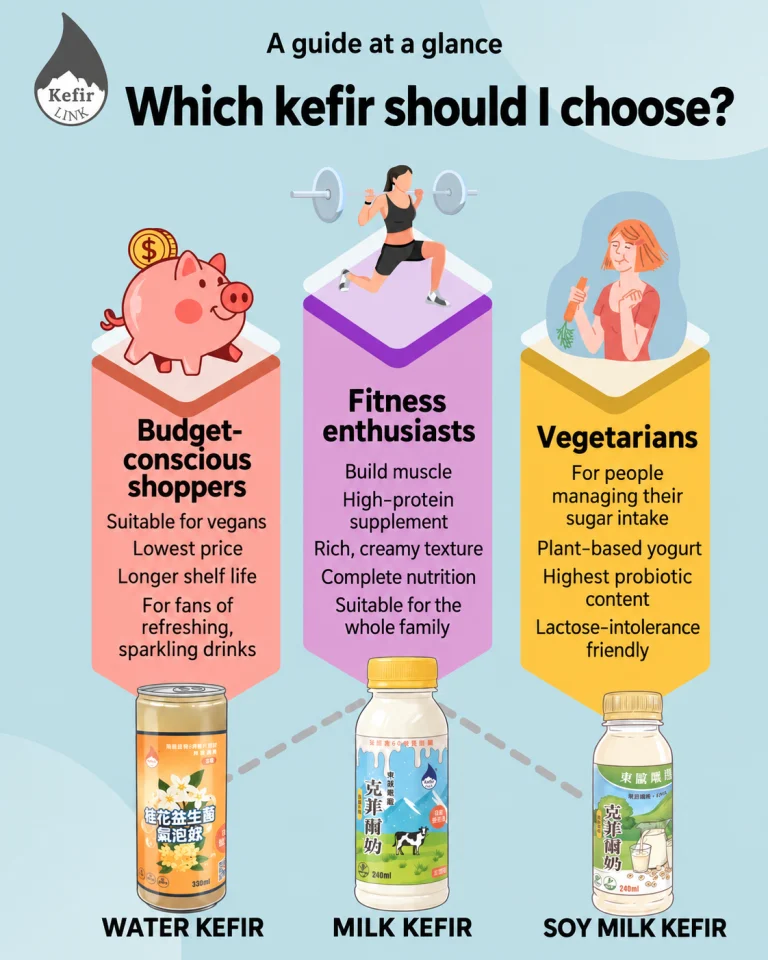
Kefir is a fermented milk product. It is made by adding kefir grains—a natural combination of beneficial bacteria, including lactic acid bacteria, and yeasts—to milk or alternatives such as soy or coconut milk, then letting it ferment.
Fermentation reduces lactose, making the milk easier to digest, and produces a variety of beneficial bacteria. This is why many people see kefir as a good source of natural, minimally processed food.

Benefits of Kefir?
Simple, natural ingredients: Good-quality plain kefir usually contains just milk fermented with kefir grains, without added sugar, flavorings or thickeners.
Rich in beneficial bacteria: Probiotics are at the heart of kefir. For example, SGS testing found approximately 5.7 billion active lactic acid bacteria in every 10 grams of our kefir.
Nutritious: Kefir retains the protein and calcium from its milk base.
Easy to eat: Its smooth texture and slightly tangy flavor appeal to many dogs and cats. It is easy to lick up, even for older pets or those with dental problems.
What to Watch Out For When Feeding?
Consult your vet first:
This is the most important step. Every pet has different health needs and allergies, so suitable foods vary. Before offering kefir, discuss it with your vet to see whether it is suitable for your pet.Choose products carefully:
Choose unsweetened, additive-free kefir.
It must not contain xylitol, which is harmful to dogs.
Look for reputable brands with consistent quality.
Start with a small amount:
People often ask whether dogs and cats can eat yogurt. Usually they can, but choose an unsweetened, additive-free product and start small.
The same applies to kefir: offer one small spoonful, about 5 grams, the first time.
The right daily amount depends on your pet’s size and how well they tolerate it. Discuss this with your vet and adjust gradually.Watch your pet’s reaction:
For the first few days after introducing kefir, watch for softer stools, diarrhea or any unusual reaction.
If anything seems wrong, stop feeding it immediately and contact your vet.When should you offer it?
Mix it into kibble or wet food, offer it as a snack between meals, or use it as a training reward. Choose what suits your pet’s habits and your routine.

Conclusion
Kefir is a natural fermented food rich in beneficial bacteria and basic nutrients. It can supplement your pet’s balanced main diet, but it is not medicine and cannot replace regular meals or veterinary care.
Choose carefully, consult your vet, start small and observe closely so your pet can enjoy it safely.
Disclaimer:
This article is for reference only and cannot replace professional veterinary diagnosis or advice. If your pet has any health concerns, take them to a veterinarian.




Comments
No comments yet.
Comments could not be loaded.
Join the discussion