



 By Nik, founder of 東歐嚴選|kefir.link and former chef · First published 7 November 2023 · Updated 3 November 2026
Many of our customers, especially older ones, prefer their drinks warm, above all on a cold winter morning. Can you warm kefir up and keep what makes it kefir? Yes, if you keep it to about body temperature. Here is how warm to go, and three easy ways to do it.
The short answer
- Lukewarm keeps the cultures: kefir warmed to about body temperature (35–40°C) keeps its live bacteria and yeasts. Your stomach warms every drink to 37°C within half an hour anyway.
- Keep it lukewarm: around 50°C the yeasts start to die, and by 60°C they are gone and most bacteria with them.
- The easy way: pour a glass and leave it out for 10–15 minutes, or stand it in a bowl of warm water for a few minutes.
- Warm it in a bowl of warm water: the water warms the glass evenly, while a microwave leaves hot spots that can kill the cultures.
- Cold kefir is fine for healthy people. If you prefer a milder glass, simply take the chill off.
How we checked this guide
- Heat studies: a study that heated kefir made from grains to 50 and 60°C, and a study that held yogurt at 55 and 70°C. Each is linked next to the sentence it supports.
- Cold drinks and the stomach: trials with cold, body-warm and hot drinks in younger adults and in people over 65, and what Taiwanese doctors, including Chinese-medicine doctors, advise.
- Food safety: how long dairy may stand out of the fridge, from food-safety guidance.
- Our own kitchen: the methods are the ones we use and teach our customers on LINE.
What heat does to kefir
Kefir’s lactic acid bacteria and yeasts live comfortably at room temperature. How well they handle heat depends on how hot it gets, for how long, and on the strain. This is what the studies show:
| Temperature | What happens to the live cultures |
|---|---|
| Fridge, 2–4°C | They slow down and keep. This is how kefir stays fresh. |
| Room, 20–30°C | They wake up and keep fermenting: the kefir gets sourer and fizzier. |
| Body, 35–40°C | They stay alive and well. Your stomach brings every drink to this temperature within 20–30 minutes (study). |
| About 50°C, hot to the touch | Kefir yeasts fell by 59–92% and bacteria by up to about 60% (kefir study). |
| About 60°C | The yeasts were eliminated and 79–99% of the bacteria died. |
| 70°C and above | Heavy losses within minutes (yogurt study). |
Simple rule: test a drop on your wrist. When it feels warm, it is just right for the live cultures.
Can I drink kefir cold?
In Taiwan many people prefer warm drinks, especially in winter, after meals or during their period. In Chinese medicine, cold is said to burden digestion. What does the research say?
- Cold felt as comfortable as warm: in a trial with 20 adults over 65, a cold drink, a body-warm drink and a hot drink felt the same in the stomach (study). A trial in young men found the same.
- The stomach warms it quickly: a cold drink cools the stomach briefly; it is back to body temperature within 20–30 minutes.
- Taiwanese doctors agree: Western and Chinese-medicine doctors in Taiwan say healthy people can drink cold. If you have a sensitive stomach or often have cold hands and feet, choose a lukewarm glass.
So drink it cold if you like it cold. If you prefer it milder, take the chill off and keep the live cultures.
Three ways to take the chill off
- Leave it out for 10–15 minutes. Pour the amount you want into a glass and let it stand at room temperature. Put the bottle straight back in the fridge. Drink it within 2 hours, or within an hour on a hot Taiwanese day, because warm kefir keeps fermenting and turns sourer.
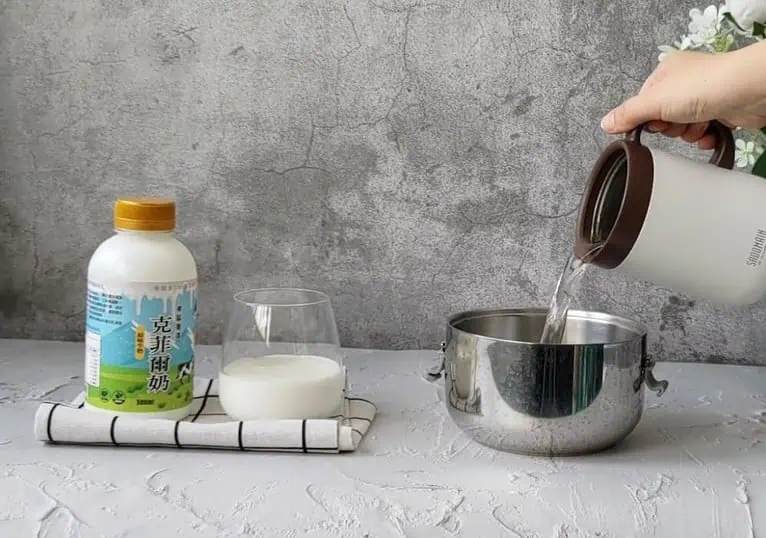
- Stand it in warm water. Fill a bowl with warm water you can comfortably keep your hand in. Stand the glass in it for 3–5 minutes, keeping the water below the rim, and stir once. Test a drop on the inside of your wrist: it should feel lukewarm.
- Mix it with something warm. Pour kefir over pancakes that have cooled to warm, or blend it with room-temperature fruit. Let tea or coffee cool until it is warm before you stir kefir in.
Why warm water works best
- Warm water heats evenly: it warms the glass gently from all sides, and you can feel the temperature with your hand. A microwave leaves hot spots next to cold spots (Clemson University). Kefir is thin and heats fast, so part of the glass can pass 60°C while the rest still feels cool.
- Gentler than a rice cooker or steamer: these heat the glass from a hot surface, while the warm-water bowl lets you see and feel what is happening.
- Lukewarm keeps the taste: the kefir stays smooth and keeps its fresh tang, while hot kefir separates into curds and whey.
Cooking and baking with kefir
Kefir is a great cooking ingredient. In hot dishes it brings taste, creaminess and the nutrition of the milk, and cold dishes also keep the live cultures.
- Hot soups: take the pot off the heat, whisk a ladle of soup into the kefir, then stir it back in just before serving. This keeps the soup smooth. Azerbaijan’s dovga and Armenia’s spas are warm yogurt soups made the same careful way.
- Pancakes, bread and cakes: kefir’s acidity reacts with baking soda and gives a soft, tender crumb. See our kefir recipes.
- Kefir cheese: heating kefir gently to 60–70°C separates it into curds and whey, the old Eastern European way to make fresh cheese.
- Cold dishes keep the cultures: smoothies, ice pops, salad dressings and the cold Russian soup okroshka.
Water kefir and kefir grains
- Water kefir: the same rule applies. Its yeasts are the most heat-sensitive part, so take the chill off and enjoy it lukewarm.
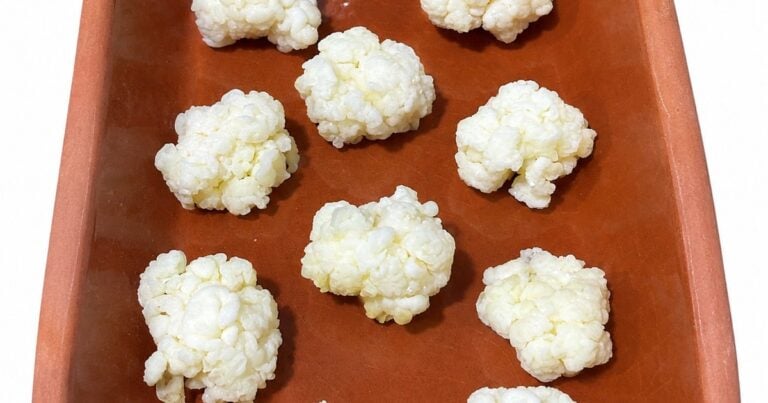
- Live kefir grains: keep them at about 20–26°C, where they ferment best. Read Why temperature matters when making kefir.
A glass a day, just the way you like it.
Our original milk kefir is fermented with living kefir grains and has no added sugar. Every 100 g contains 4.0 g of protein and 110 mg of calcium; calcium helps maintain the normal development and health of bones and teeth.
Frequently asked questions
Does warming kefir kill the probiotics?
Keep it to about body temperature and the live cultures stay alive. Around 50°C the yeasts start to die, and by 60°C most of the live cultures are gone.
Can I microwave kefir?
Use a bowl of warm water instead. Microwaves heat unevenly, so part of the glass can get hot enough to kill the cultures before the rest is even warm.
How long can kefir stay out of the fridge?
Ten to fifteen minutes is enough to take the chill off. Drink it within 2 hours, or within an hour on a hot day above 32°C.
Can I add kefir to hot tea, coffee or soup?
Yes. For soup, stir it in off the heat just before serving. For tea or coffee, let the drink cool until it is warm, so the live cultures stay alive.
Is cold kefir bad for the stomach?
In studies, including one in people over 65, cold drinks felt as comfortable as warm ones. If you prefer it milder, choose a lukewarm glass.
Does heated kefir still have any benefit?
Yes. It still has the protein, calcium and taste of the milk. To keep the live bacteria and yeasts as well, keep it lukewarm.
Any question? Just message us on LINE. We’re always happy to help.
Message us on LINEFermented with living kefir grainsTry it



Comments
No comments yet.
Comments could not be loaded.
Join the discussion
or