



 By Nik, founder of 東歐嚴選|kefir.link and former chef · First published 7 April 2024 · Updated 3 November 2026
On a hot afternoon, many of us reach for a cold, fizzy drink. Water kefir is one you can make in your own kitchen. Living grains turn plain sugar water into a lightly sweet, gently sour and softly sparkling drink in about two days. It has no caffeine and no dairy. Here are five things that make it easy to start.
The short answer
- What it is: a drink made by water kefir grains, small clear grains of lactic acid bacteria and yeasts.
- How it tastes: like a light lemonade, gentler than kombucha. After a second fermentation with fruit, it becomes a natural fruit soda.
- The ratio: for 1 litre of water, use 60 g of sugar and 60 g of grains.
- The time: 24–48 hours at 20–25°C under a cloth, then 12–24 hours in a closed plastic bottle for the fizz.
- Who it suits: anyone who wants a tasty, caffeine-free alternative to soda or kombucha. It contains no dairy, so it suits vegans too.
How we checked this guide
- What the grains are: a 2024 review of water kefir research (Heliyon) and a laboratory study of household grains (Applied and Environmental Microbiology).
- Water and minerals: a study of how water changes grain growth (Frontiers in Microbiology) and the Taiwan FactCheck Center on boiling tap water (TFC).
- Kombucha: a Taiwan Food and Drug Administration article on what kombucha is made from (foodNEXT).
- Our own kitchen: the method, the 60 g + 60 g ratio and the times come from the guide we print for our grain customers.
1. Living grains make water kefir
Water kefir grains are also called tibicos.
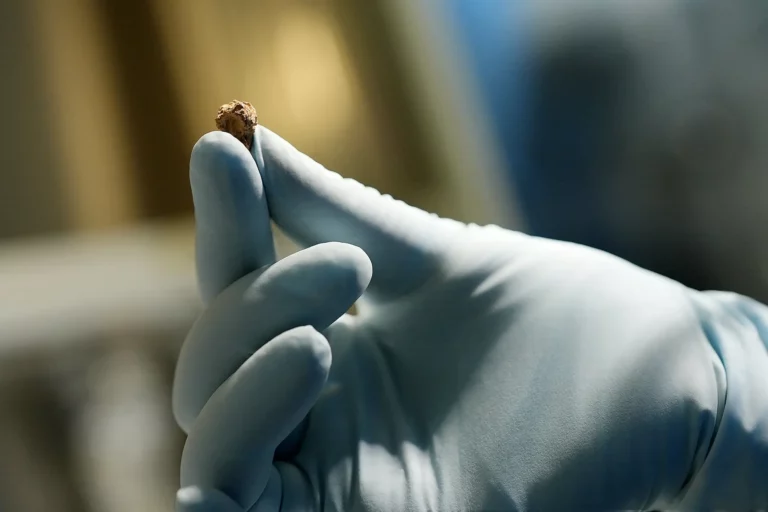
They look like small, clear crystals, a little like crushed ice.
Each grain is a home for lactic acid bacteria and yeasts.
The microbes build the grain themselves, from a clear gel they make out of sugar.
When you put the grains in sugar water, they feed on the sugar and turn it into a fresh, tangy drink.
Their live lactic acid bacteria and yeasts help digestion.
The grains keep growing, so you can use them again and again, batch after batch.
- Water kefir grains: they live in sugar water.
- Milk kefir grains: they are a different culture, and they live in milk. Keep each kind in its own liquid.
2. It tastes like a light, natural soda
Fresh water kefir tastes lightly sweet and lightly sour, a little like a homemade lemonade.
It sits between a lemon soda and kombucha, and it is softer and rounder than kombucha.
The grains feed on the sugar while they ferment.
A longer ferment makes the drink less sweet and more tangy.
- After 24 hours: lightly sweet and gently sour. A good start for new drinkers.
- After 48 hours: less sweet and more refreshing. Most people like this balance best.
- After a second fermentation with fruit: sparkling, fruity and bright, like a natural fruit soda.
Start with 100–150 ml a day. Once you are used to it, enjoy 250–500 ml a day.
3. You make it with sugar water in two days
For every 1 litre of water, use 60 g of sugar and 60 g of grains. For 500 ml, use 30 g of each.
| What you need | The best choice |
|---|---|
| Water | Tap water that you have boiled and let cool, or mineral water. The grains need the minerals in the water to grow. |
| Sugar | Light brown cane sugar or organic cane sugar. Real sugar is the grains’ food. |
| A little extra | One or two unsulphured raisins or dried figs per batch give the grains extra minerals. |
| Jar and tools | Glass or plastic jars work well. Stainless steel spoons and strainers are fine. |
| Room temperature | 20–25°C. Keep the grains below 35°C. |
- Dissolve the sugar. Stir the sugar into a little hot water until it is clear. Then top up with cool boiled water or mineral water.
- Let it cool to 20–25°C. The sugar water should feel cool to your hand before the grains go in.
- Add the grains. Put the grains into the jar with the sugar water.
- Cover with a cloth. Use a breathable cloth and a rubber band, so the jar can breathe. Stand it in a shady spot.
- Wait 24–48 hours. On hot days, use the coolest spot in your home and the shorter time.
- Strain and start again. Pour the drink through a strainer into a bottle. Put the grains straight into fresh sugar water for the next batch.
Check each batch with your eyes and nose. A fresh, sour smell means all is well. If you see fuzzy mould, throw the whole batch away and start again with fresh grains.
Our water kefir grains starter kit has a calculator for any amount of water and the full step-by-step guide.
4. The fizz comes in the second bottle
Under a cloth, the gas from the first fermentation floats away, so the drink is only lightly sparkling.
The fizz builds in a second fermentation, in a closed bottle.
This is also the moment to add flavour.
- Fill a plastic bottle. Pour the strained water kefir into a plastic sparkling-water bottle or a PET bottle until it is 70–80% full.
- Add flavour. For 500 ml, add 50–100 ml of fruit juice, a few slices of fruit, or 2–3 slices of ginger.
- Close it and wait. Leave it at room temperature for 12–24 hours, or 8–12 hours in summer.
- Let the gas out once or twice. Open the cap slowly, let the gas escape, and close it again.
- Chill it, then open it slowly. Put the bottle in the fridge for a few hours. Open it slowly over the sink.
For fruit ideas, bottle choices and stronger fizz, read our guide to water kefir second fermentation.
5. It sits between milk kefir and kombucha
All three are fermented drinks with living cultures. Each one has its own base and its own taste.
| At a glance | Water kefir | Milk kefir | Kombucha |
|---|---|---|---|
| Base | Sugar water and water kefir grains | Milk and milk kefir grains | Sweetened tea, fermented by yeasts and acetic acid bacteria |
| Taste | Lightly sweet and sour; sparkling and fruity after a second fermentation | Creamy and tangy, like a drinking yogurt | Tea aroma with a fruit-vinegar tang, sparkling |
| Caffeine | None | None | A little, from the tea |
| Fermenting time | 24–48 hours, plus 12–24 hours for fizz | About one day | About 1–2 weeks |
| Who it suits | People who want a light, caffeine-free soda, and vegans | People who like a creamy drink with the protein and calcium of milk | People who enjoy tea and a sharper tang |
Water kefir contains no dairy and no animal ingredients. Read more in Vegan probiotics: why try water kefir?
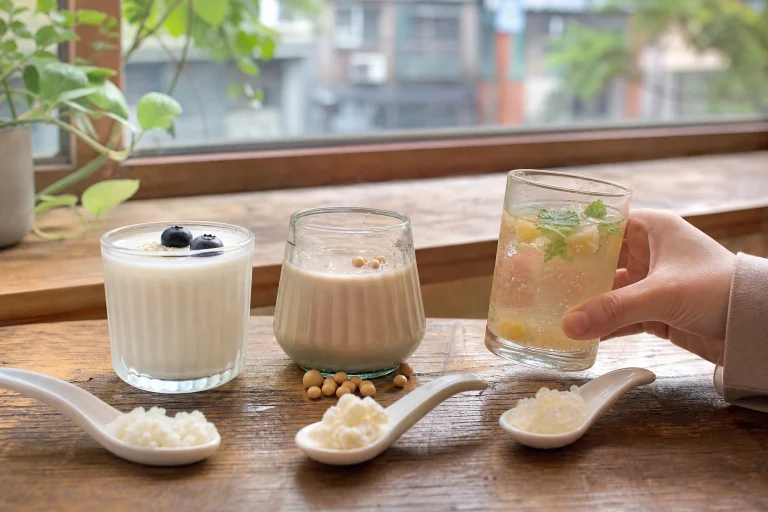
To compare textures and flavours in more detail, see milk, soy and water kefir side by side.
Keeping your grains lively
New grains need a little time to settle into your kitchen.
Give them three to seven batches, about two weeks.
Growth usually shows within one to three weeks.
- Signs they are working: small bubbles rise, the drink turns slightly cloudy, and it tastes less sweet and more sour.
- Give them minerals: use mineral water or boiled tap water, add one or two raisins or dried figs, and add half a teaspoon of dark brown sugar to each batch.
- Feed them on time: move them into fresh sugar water every 24–48 hours.
- Stir gently: soft handling keeps the grains whole.
- Taking a break: put the grains in fresh sugar water in the fridge. They rest well there for two to three weeks.
In a laboratory study, grains in mineral-rich water grew by about half over eight batches (study).
Your own sparkling drink, batch after batch.
Our water kefir grains starter kit has 100 g of living grains, 1 kg of organic cane sugar, a plastic strainer, a sparkling-water bottle, pH strips and a printed guide. The grains are full of lactic acid bacteria and yeasts, and they keep growing with every batch.
Frequently asked questions
Is water kefir the same as milk kefir?
They are two different cultures. Water kefir grains live in sugar water and make a light, sparkling drink. Milk kefir grains live in milk and make a creamy drink.
How sweet is water kefir?
The grains feed on the sugar while they ferment, so the drink is much less sweet than the sugar water you started with. For a less sweet drink, ferment for the full 48 hours and add little or no juice in the second bottle.
Can I use tap water?
Yes. Boil it for a few minutes with the lid off, then let it cool to room temperature. Mineral water also works very well.
Can I use honey or a sweetener?
Use real cane sugar. Light brown cane sugar or organic cane sugar feeds the grains best.
How much should I drink?
Start with 100–150 ml a day. Once you are used to it, enjoy 250–500 ml a day.
How long does strained water kefir keep?
Keep it in a closed bottle in the fridge. It keeps for up to 45 days and slowly becomes more sour.
What do I do with extra grains?
Share them with a friend or start a second jar.
Live water kefir grainsSee the kit



Comments
No comments yet.
Comments could not be loaded.
Join the discussion
or