


 By Nik, founder of 東歐嚴選|kefir.link and former chef · Updated 2 November 2026
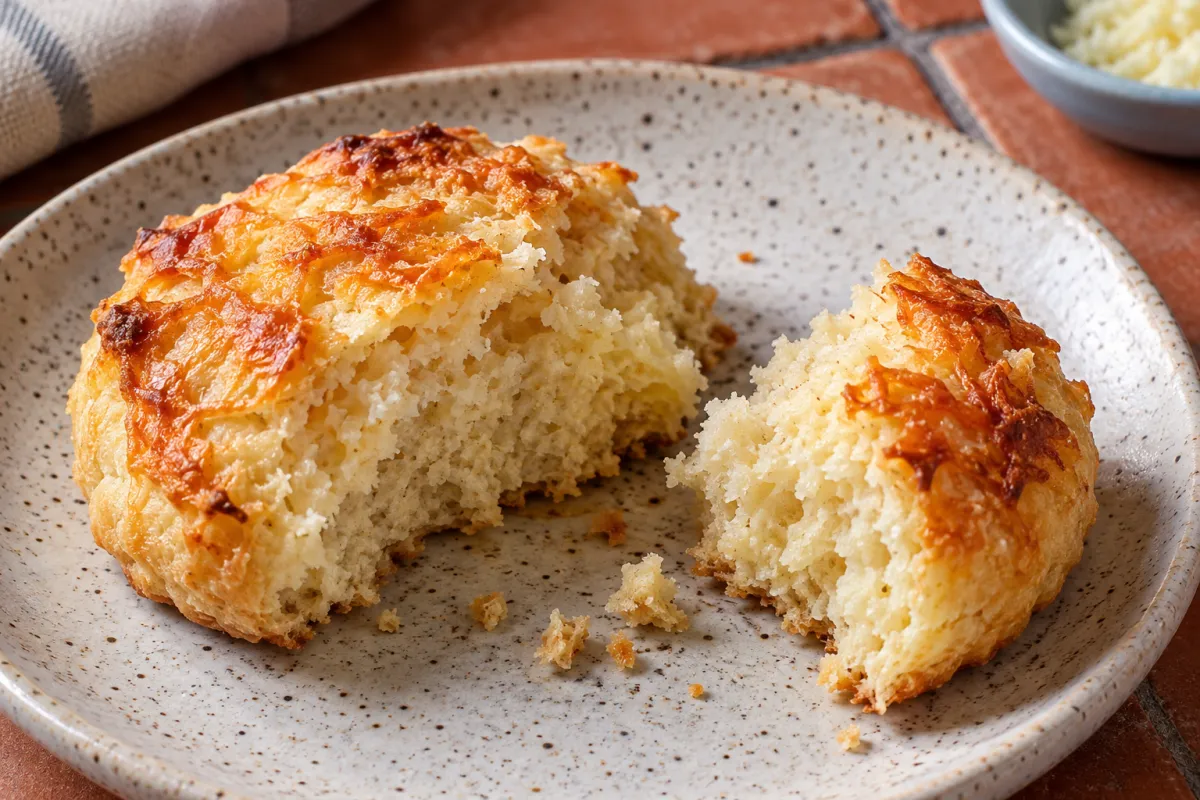
Small, round and golden, pogácsa are the savoury pastries Hungarians set out with a glass of wine, and visitors often liken them to small savoury scones. These are rich with butter, made soft with milk kefir and crowned with a crisp tuft of Gouda.
An old name for a party pastry
The word pogácsa first appears in Hungarian around 1395, when it meant a flatbread baked in ash or embers. It goes back to a Latin word for hearth-baked bread and reached Hungary through the South Slavic pogača. The small, cut rounds became common in late-medieval Hungary, and the oldest were made with fat and pork cracklings.
Crackling pogácsa still follow a bowl of goulash or bean soup and are baked for weddings, christenings, Christmas and Easter. The cheese and potato versions popular today are newer arrivals. Visitors meet a plate of them at winery tastings, in bars and wherever friends gather, and they go well with a glass of Tokaji.
Butter for crumble, kefir for softness
Hungarian bakers rub soft fat into the flour, and that fat is what makes pogácsa crumbly and keeps it fresh. Kefir is thick enough to hold a dough's shape and bakes up light, with no harsh acidity. Soured milk also weakens gluten, so the pastry stays tender instead of chewy. The lift comes from baking powder, which carries its own acid, so the kefir is there for texture rather than rise.
Hungarian kitchens make many kinds of pogácsa dough. Some are raised with yeast and folded three or four times for flaky layers, some rest overnight, and others go straight into the oven.
A cheese crown that holds its shape
The topping needs a semi-hard cheese that melts but does not run, such as Gouda, Emmental or Hungary's own trappista. Pinch the grated cheese lightly but firmly into a small tuft before setting it on each round, so it bakes into a crisp cap. The pogácsa are done when that cap is crisp and the inside is crumbly. For a change, scatter sesame or caraway seeds over the tops in place of cheese.


Comments
No comments yet.
Comments could not be loaded.
Join the discussion
or