


 By Nik, founder of 東歐嚴選|kefir.link and former chef · Updated 2 November 2026
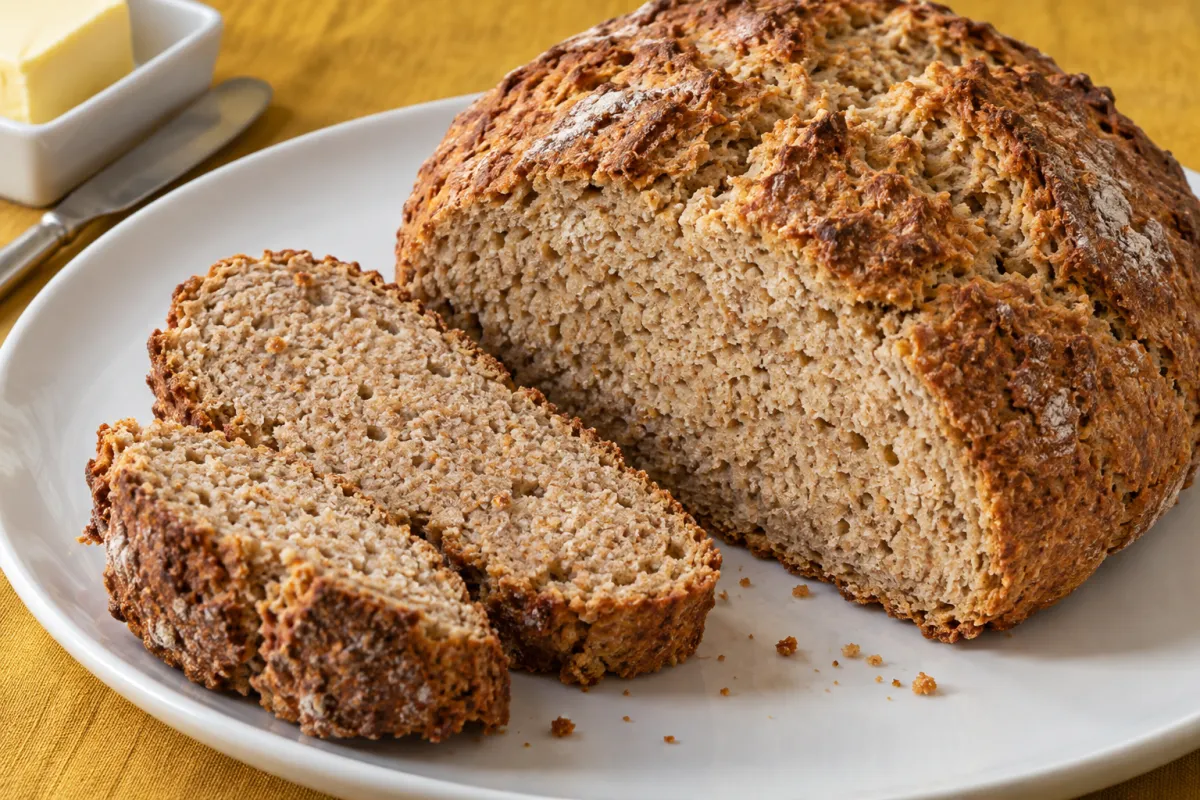
Irish brown soda bread goes from mixing bowl to oven in minutes, with no yeast and no waiting for the dough to rise. It bakes into a browned wholemeal round split by a deep cross, ready to slice with butter, jam and a pot of tea. Plain milk kefir takes the place of buttermilk, and its acidity makes the baking soda lift the dough.
A bread made for Ireland's soft wheat
Soda bread took hold in Ireland in the early to mid-1800s, soon after bicarbonate of soda became available. Irish wheat was low in gluten and could not be relied on to rise with yeast, but baking soda could lift it. After the Great Famine and the loss of the potato crop, bread became the main staple again, and soda bread was quick enough to bake fresh every morning. The classic loaf is simply flour, buttermilk, salt and baking soda.
Acid meets soda: how kefir raises the loaf
Baking soda needs an acid to react with, and that reaction creates the rise. Buttermilk is the traditional acid but is hard to find in Taiwan, and kefir is a close match: thick, mildly sour and similar to buttermilk in taste and texture. Plain milk will not do the same job, because without acidity a soda-raised bake comes out darker and denser. The reaction starts the moment kefir meets soda, which is why the dough goes into the oven without a rest, and light hands keep the gluten from turning the bread dense.
The deep cross, and what to eat with it
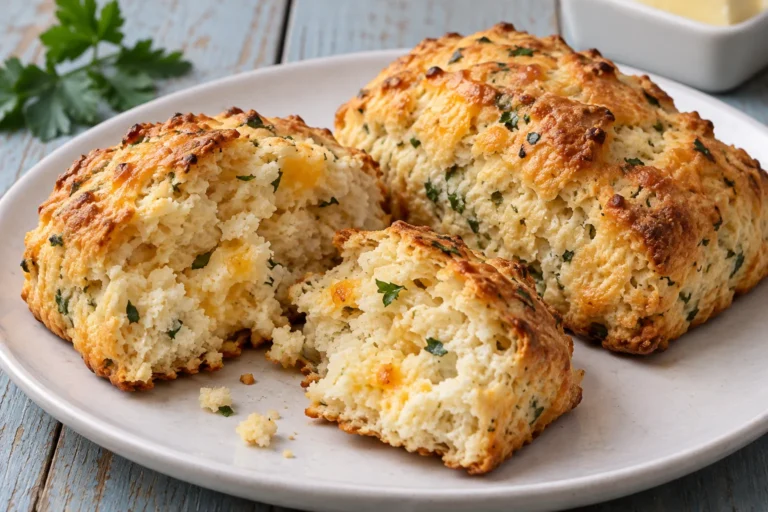
The cross cut into the top is said to bless the bread and bring good luck, and in folklore it lets mischievous fairies escape. It also has a practical job, letting steam out and helping the heat reach the centre of the thick round. Serve the bread warm with butter, toast it with jam, or set it beside a bowl of courgette or potato-and-leek soup. Once the plain loaf feels familiar, try working in grated aged cheddar with chopped raw onion, or a handful of raisins or cranberries.


Comments
No comments yet.
Comments could not be loaded.
Join the discussion
or