



 By Nik, founder of 東歐嚴選|kefir.link and former chef · First published 13 August 2022 · Updated 31 October 2026
Maybe a friend swears by it, maybe you saw it in a Facebook group or a YouTube video: kefir, the fermented milk that families in Eastern Europe drink every day. Is it just another yogurt? Can your children and your parents drink it? And where can you buy kefir made with living grains? Here are the ten things people most want to know before their first glass, in plain words.
The short version
- What it is: living kefir grains turn milk into a tangy, lightly fizzy probiotic drink.
- Why people drink it: lactic acid bacteria and yeasts ferment it together, so a glass with breakfast is a probiotic food that helps digestion.
- Is it for me? Anyone over one year old with no special dietary restrictions can drink it, and fermentation uses up part of the lactose. If you are pregnant or unwell, ask your doctor first.
- How to start: have a small glass (about 50 g) first. If it tastes too sour, add fruit or honey.
- Where to get it: in Taiwan, order ours online, buy it at a partner store, or get live grains and make it at home. In Hong Kong, we send live milk kefir grains so you can make it yourself.
What kefir is, and what it is not
Kefir is milk that has been fermented with kefir grains at room temperature for about a day. The grains turn the lactose in the milk into lactic acid, which makes the milk tangy and thicker, and their yeasts add fine natural bubbles.
- It is not drinking yogurt. Yogurt and drinking yogurt are made with a few selected bacteria in a warm incubator. Kefir grains carry dozens of kinds of bacteria and yeasts, and they work at room temperature.
- It is not an alcoholic drink. The yeasts leave only a trace of alcohol (see point 10).
- It is not a medicine. Kefir is a food. If you feel unwell, please see a doctor first.
How we checked this guide
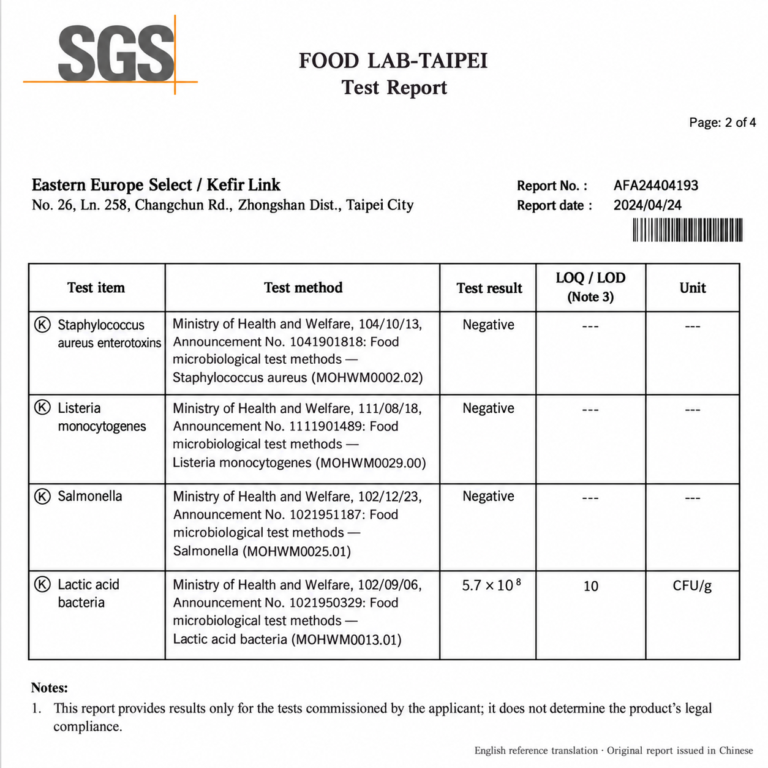
- Our own lab tests: the bacteria counts and safety results come from SGS Taiwan test reports on our milk kefir and soy milk kefir from 2024 and 2025. Every report is on our food test report page.
- Published research: each study is linked next to the sentence it supports.
- Taiwan’s rules: the national standard for fermented milk (CNS 3058) and the Tobacco and Alcohol Administration Act.
- Our kitchen and our customers: the storage and serving advice comes from making kefir in Taiwan and from the questions customers ask us most often on LINE.
1. Kefir is made with living kefir grains
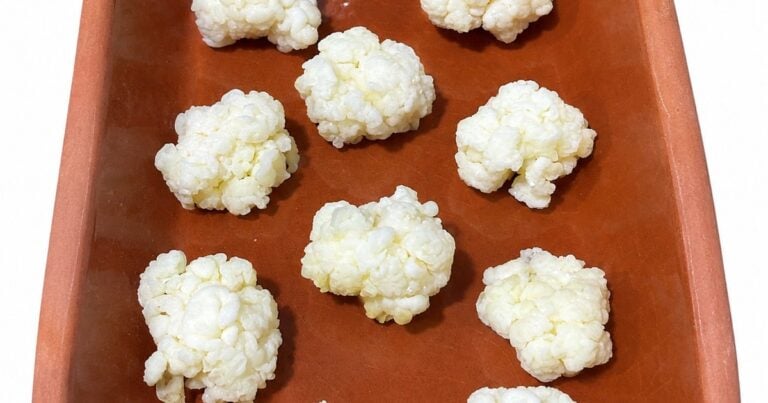
- Not a cereal grain: kefir grains are soft white clusters that look like tiny cauliflower florets.
- A living community: each grain holds dozens of kinds of lactic acid bacteria and yeasts in a jelly of protein and sugars that they make themselves. They feed one another, which keeps every batch fermenting steadily.
- Used again and again: after about 24 hours in milk at room temperature, the grains are strained out and go straight into fresh milk for the next batch. Looked after well, they keep growing for years.
 Add kefir grains to fresh milk
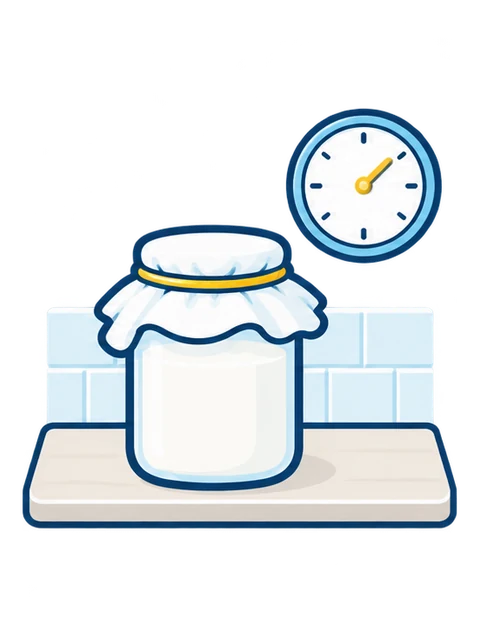
 Leave it at room temperature for about 24 hours
 Strain out the grains
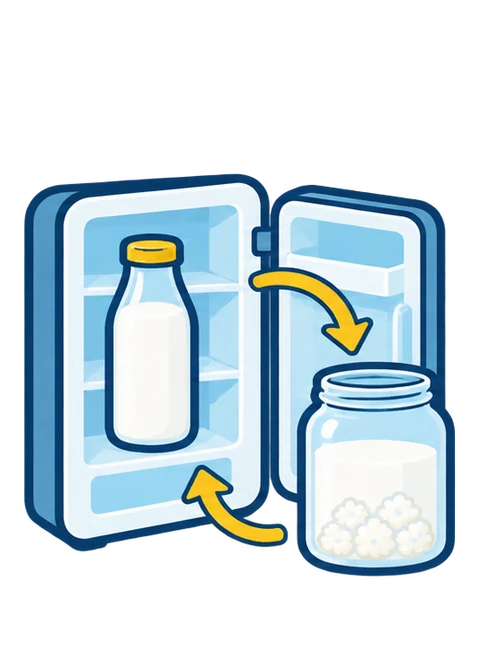
 Kefir goes in the fridge; the grains go into fresh milk


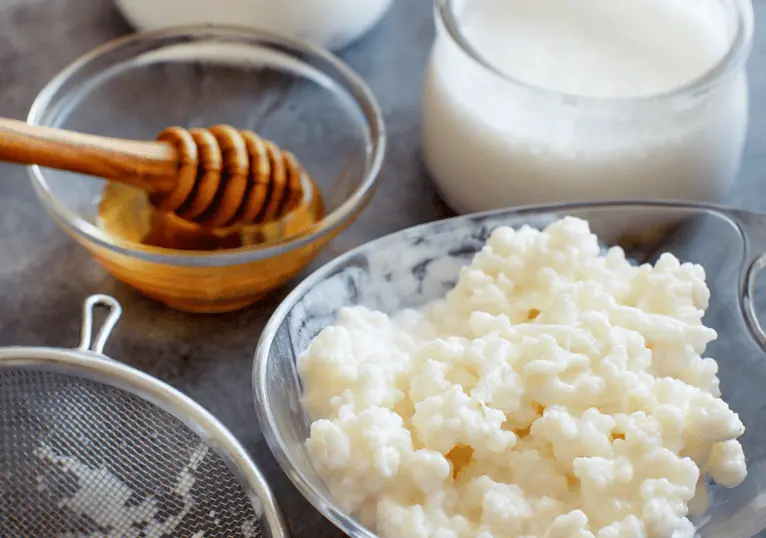
Want to make your own? Start with our live kefir grains and follow our complete guide to making kefir at home.
2. It is tangy, lightly fizzy and thinner than yogurt
- Texture: you can pour it straight into a glass; it sits between drinking yogurt and yogurt.
- Taste: gently sour, like unsweetened Greek yogurt, with a natural fermented aroma.
- Bubbles: fine natural fizz from the yeasts, which is why kefir is called “milk champagne” in Europe.
- It changes in the bottle: kefir is alive and keeps fermenting, even in the fridge. A fresh bottle is mild and runny; after a week it is thicker, tarter and fizzier. A layer of clear whey is natural; tilt the bottle gently to mix it.
- New to the taste? Add fruit or honey. Many people love it after a few glasses.
“It has a slight fizz, is mildly tangy, and isn’t sweet. It’s wonderful with blueberries and banana.”
lema1942, Shopee review, June 2026
3. Three kinds of kefir, plus grains to make your own
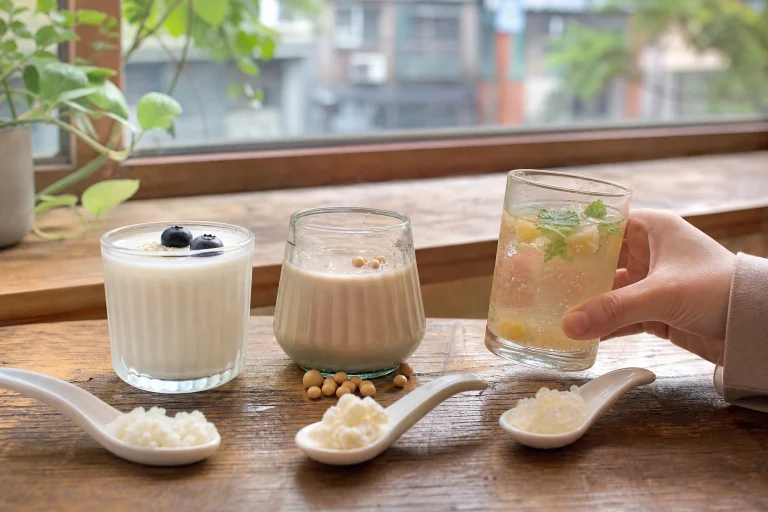
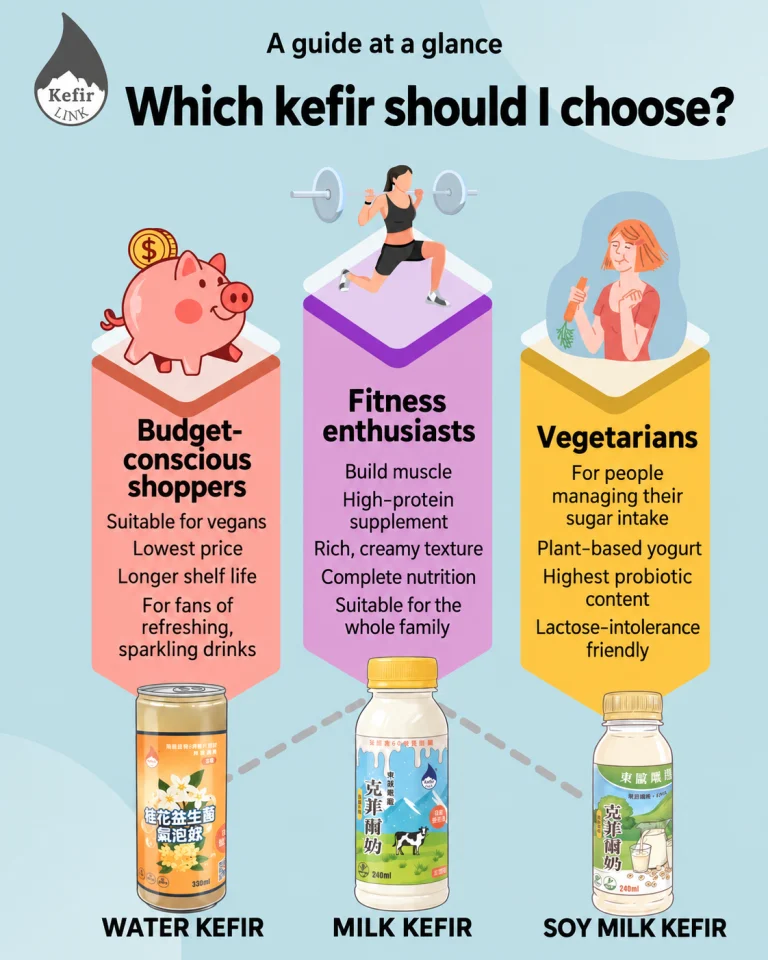
Kefir can be made from almost any milk, and even from sugar water. These are the kinds you can buy in Taiwan, and the people each one suits best.
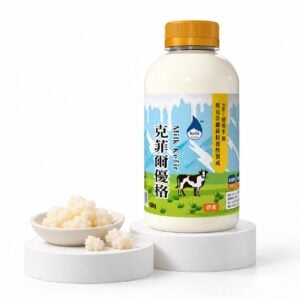
Milk kefir
Made with pasteurised whole fresh milk. The classic kefir taste, plain or with fruit.
Best for: most people, and anyone who wants a daily glass made from whole fresh milk. The original has no added sugar.
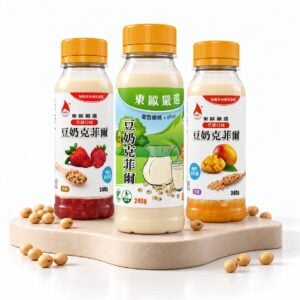
Soy milk kefir
Fermented soy milk. It contains soy and may contain traces of milk, because the grains are kept in cow’s milk between batches.
Best for: people who don’t drink cow’s milk for religious or dietary reasons. It is lacto-vegetarian.
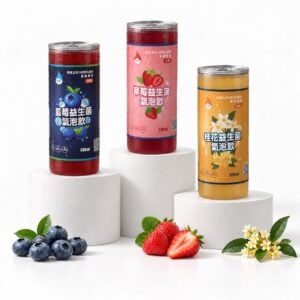
Water kefir
Fermented with water kefir grains instead of milk grains. A light, sparkling drink with no milk at all.
Best for: vegans, and anyone who would rather have something light and fizzy than milky.

Kefir grains, to make your own
Live milk kefir grains that ferment fresh milk at home, batch after batch.
Best for: people who drink kefir every day and enjoy a small kitchen routine.
| If you… | Choose |
|---|---|
| want the classic kefir taste with no added sugar | Original milk kefir |
| are new to the sour taste, or buying for children | Fruit milk kefir |
| don’t drink cow’s milk, or prefer a soy base | Soy milk kefir |
| are vegan, or want something light and sparkling | Water kefir |
| drink kefir every day and like making things at home | Live kefir grains |
| want something thick to eat with a spoon | Greek yogurt maker |
4. What 100 g of milk kefir contains
Our original milk kefir is made only from pasteurised whole fresh milk and kefir grains. Every 100 g contains 4.0 g of protein, 110 mg of calcium and 2.5 g of sugar, and all of that sugar is lactose from the milk itself: no sugar, sweetener or substitute is added. Calcium helps maintain the normal development and health of bones and teeth.
Its lactic acid bacteria and yeasts help digestion and help keep you regular.
| Product | SGS result | Per 100 g |
|---|---|---|
| Original milk kefir | 5.7 × 10⁸ CFU/g 24 April 2024 | about 57 billion |
| Soy milk kefir | 7.8 × 10⁸ CFU/g 1 September 2025 | about 78 billion |
For comparison, Taiwan’s national standard for fermented milk (CNS 3058) asks for at least 10 million live lactic acid bacteria per millilitre. The milk kefir tests also found no Salmonella, no Listeria monocytogenes, no Staphylococcus aureus enterotoxins and no Enterobacteriaceae.
5. How kefir is different from yogurt
Both are fermented milk, but they are made in different ways, and you can taste the difference.
| Compared | Milk kefir | Yogurt |
|---|---|---|
| Fermented with | Living kefir grains | A starter of a few selected bacteria |
| Microbes | Dozens of kinds of lactic acid bacteria and yeasts | Mainly 2 bacteria (Lactobacillus bulgaricus and Streptococcus thermophilus), sometimes with a few added strains |
| Temperature | Room temperature, about 20–25°C | Warm, about 40–45°C |
| Time | About 24 hours | About 4–8 hours |
| Texture | Pourable, between drinking yogurt and yogurt | Thick, eaten with a spoon |
| Bubbles | Fine natural fizz from the yeasts | None |
| Alcohol | A trace, made by the yeasts | None |
6. Who can drink kefir, and who should ask a doctor first
- Children and adults: anyone over one year old with no special dietary restrictions can drink kefir. Children start with a small spoonful.
- Babies under one: please wait until after their first birthday.
- People who find milk hard to digest: fermentation uses up part of the lactose. In a small 2003 study at Ohio State University, 15 adults with lactose maldigestion digested the lactose in kefir better than the lactose in milk (study abstract). Start with a small amount. If you have been diagnosed with lactose intolerance, ask your doctor first.
- Ask your doctor first if you are pregnant, have a chronic condition or a weakened immune system, or are in medical treatment.
- Milk allergy: milk kefir and soy milk kefir are not suitable. Water kefir contains no milk.
7. How much to drink, and when
- The first time: start with about 50 g. If you feel comfortable after about three hours, you can have another 100 g.
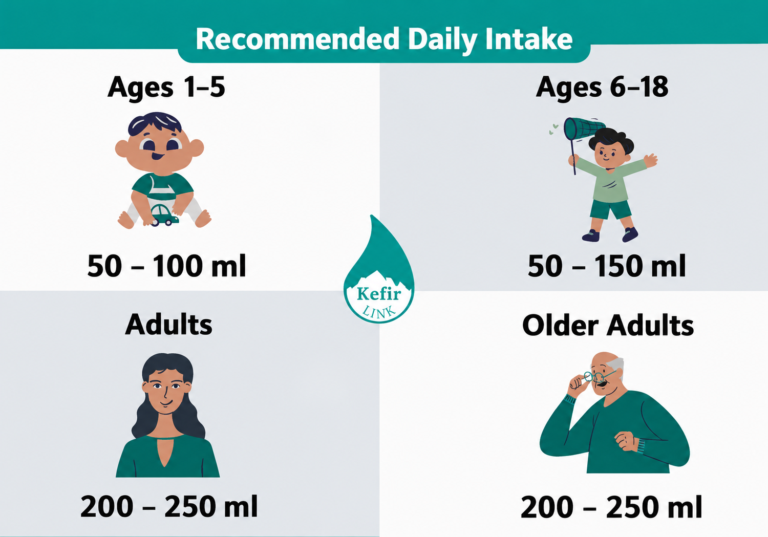
- Every day: once you are used to it, one glass a day (about 100–250 g) suits most adults. The chart below shows amounts for children.
- When: whenever suits you. Many people drink it before breakfast or before bed. If an empty stomach doesn’t suit you, have it after a meal, or split it between morning and evening.
- If you feel bloated: have less, or skip a day.
More on timing: When is the best time of day to drink kefir and why?
8. How to store kefir, and how to tell if it has gone off
- Keep it cold: 2–4°C is best, at the back of the fridge rather than in the door. Freezing is not recommended.
- Unopened: original milk kefir keeps 21 days and fruit flavours 14 days; the date is on the cap. It tastes best in the first 7 days, then gets tarter and fizzier.
- Opened: pour it into a glass rather than drinking from the bottle, and finish it within 3 days.
- Opening a fizzy bottle: never shake a sealed bottle. Open it slowly over the sink; if it foams, close it and release the gas in a few steps.
- Never heat it: don’t microwave or steam it, because heat kills the live bacteria. For a less cold glass, leave it out briefly or warm it gently in a water bath.
- Signs it has gone off: mould, pink or blue-green colours, a rotten rather than sour smell, or a bottle that leaks or bulges a lot. Don’t drink it. A sour taste, separation and a slightly swollen bottle are normal.
Making kefir at home? Read Are my kefir grains dead?
9. Kefir grains or kefir powder for making kefir at home
To make kefir yourself, you can start with living grains or with a freeze-dried powder starter.
| Compared | Kefir grains | Kefir powder |
|---|---|---|
| What it is | Living grains | A freeze-dried starter |
| How often you can use it | Batch after batch, for years with care | Once or for a few batches, then you buy more |
| Microbes | Many kinds of bacteria and yeasts | Fewer, selected strains |
| Care between batches | Fresh milk every 1–2 days, or a rest in the fridge | None |
| Best for | People who drink kefir every day | Making kefir now and then |
Take the living grains home. Cared for well, living kefir grains can be reused batch after batch, so you can make kefir at home with fresh milk.
Shop kefir grainsRead the kefir-making guide
10. Kefir contains a trace of alcohol
- Where it comes from: the yeasts turn a little sugar into alcohol and carbon dioxide, which is where the bubbles come from.
- How much: a normal ferment leaves only a trace, much like very ripe fruit or fresh bread. The longer and warmer kefir ferments, the more alcohol and yeasty taste it develops, which is one more reason to keep it cold.
- Taiwan’s rule: under Article 3 of the Tobacco and Alcohol Administration Act, a drink counts as alcohol only when it contains more than 0.5% alcohol by volume (the law, in Chinese).
- Pregnancy and children: if you are pregnant, ask your doctor first. Children over one year old can start with a small spoonful.
Easy ways to enjoy kefir
- On its own: cold, in a glass, at any time of day.
- Smoothie: blend kefir with a banana, a spoonful of nut butter and a little honey.
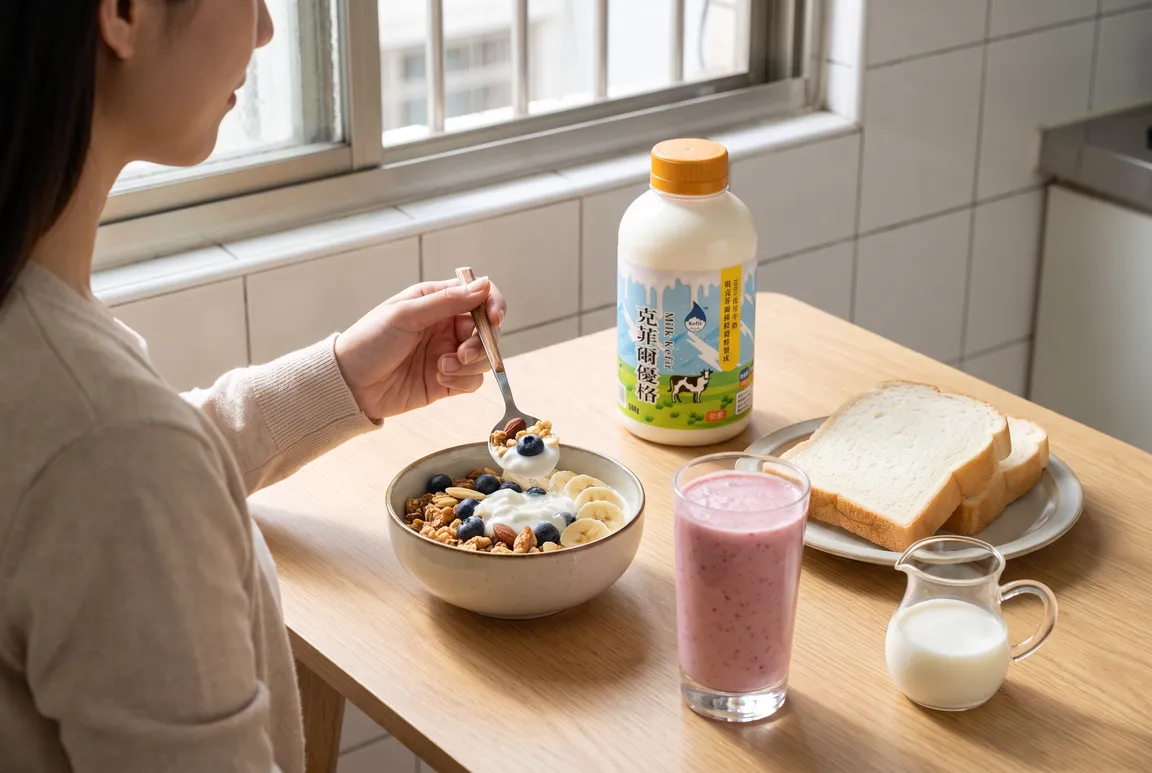
- Breakfast bowl: pour it over oat and nut granola and add fresh fruit.
- Salad dressing: whisk kefir with olive oil, lemon juice, salt and herbs instead of mayonnaise.
- Thick Greek-style kefir: strain it in the fridge for a few hours in our Greek yogurt maker and eat it with a spoon.
Where to buy kefir
- Online: order ours with HCT home delivery or Black Cat 7-ELEVEN pickup.
- In shops: buy it at the organic shops and restaurants that stock our kefir.
- To make it yourself: many organic shops sell kefir powder starters, and live kefir grains are sold by specialist suppliers such as us.
- In Hong Kong: we send live milk kefir grains to Hong Kong, so you can make fresh kefir at home with local milk.
What people who drink it say
Our original milk kefir has 122 reviews on our website, with an average of 4.96 out of 5 (31 October 2026). Read the reviews.
“Rich and smooth, with a fizzy feel and noticeable tartness.”
fch1111, Shopee review, October 2026
“This kefir yogurt is really quite tasty. It has a rich milky flavor without being too sweet, goes down smoothly, and has a subtle fermented aroma.”
david5888882000, Shopee review, May 2026
Probiotics you drink with breakfast.
Our original milk kefir is fermented with living kefir grains and has no added sugar. Every 100 g contains 4.0 g of protein and 110 mg of calcium; calcium helps maintain the normal development and health of bones and teeth.
Frequently asked questions
Is kefir the same as drinking yogurt?
No. Drinking yogurt is yogurt made with a few selected bacteria and thinned so you can drink it. Kefir is fermented with living kefir grains that hold many lactic acid bacteria and yeasts, which gives it a gentle tang and fine bubbles.
Can I drink kefir every day?
Yes. Once you are used to it, one glass a day (about 100–250 g) suits most adults. You can drink it in one go or split it between morning and evening.
Can children drink kefir?
Yes, from one year old if they have no special dietary restrictions. Start with a small spoonful. Children aged 1–5 usually have 50–100 ml a day, and children aged 6–18 have 50–150 ml.
Does kefir contain lactose?
Yes. Fermentation uses up part of the lactose, but milk kefir still contains lactose. If you do not drink cow’s milk, you can choose soy milk kefir or water kefir. If you have questions about lactose, or have been diagnosed with lactose intolerance, ask your doctor first.
Does soy milk kefir contain milk?
Milk is not an ingredient, but the grains are kept in cow’s milk between batches, so it may contain traces of milk. It is lacto-vegetarian; vegans can choose water kefir.
Why is my kefir fizzy, or separating into layers?
Both show that the kefir is alive. The yeasts make natural bubbles, and whey separates as the kefir keeps fermenting; tilt the bottle gently to mix it. Mould, an off smell or a leaking bottle mean you should not drink it.
Can I cook or bake with kefir?
Yes. It works well in pancakes, bread and marinades, but heat kills the live bacteria. To keep them, add kefir to cold dishes or drink it as it is.
What does kefir taste like?
Gently sour, like unsweetened Greek yogurt, with a fresh fermented aroma and fine bubbles. It gets tarter and fizzier the longer it is kept.
How long does kefir keep in the fridge?
Unopened at 2–4°C, our original milk kefir keeps 21 days and fruit flavours 14 days. Once opened, finish it within 3 days.
Can I freeze kefir?
Freezing is not recommended. The bottle can deform, and the texture separates and changes after thawing.
Where can I buy fresh kefir in Taiwan?
Order it online for home delivery or 7-ELEVEN pickup, or buy it at the organic shops and restaurants that stock it.
Are there kefir grains in the bottle?
No. The grains are strained out after fermenting. To make kefir at home, you need live kefir grains.
Any question? Just message us on LINE. We’re always happy to help.
Message us on LINEFermented with living kefir grainsTry it


Comments
No comments yet.
Comments could not be loaded.
Join the discussion
or