


 By Nik, founder of 東歐嚴選|kefir.link and former chef · Updated 2 November 2026
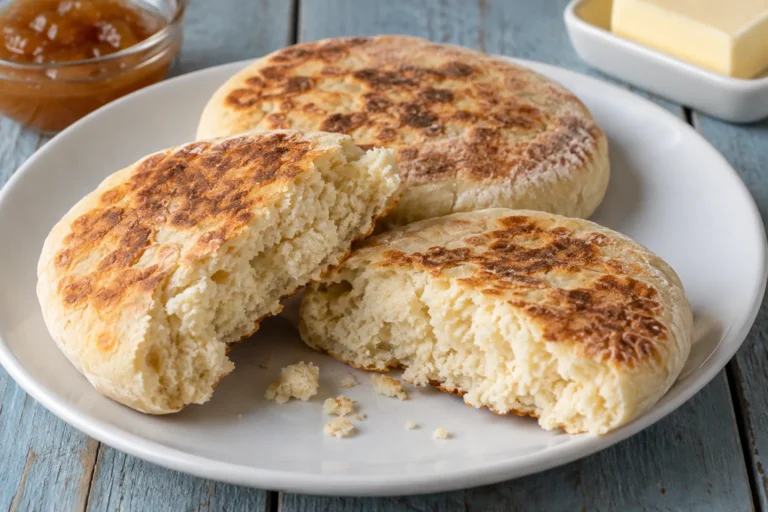
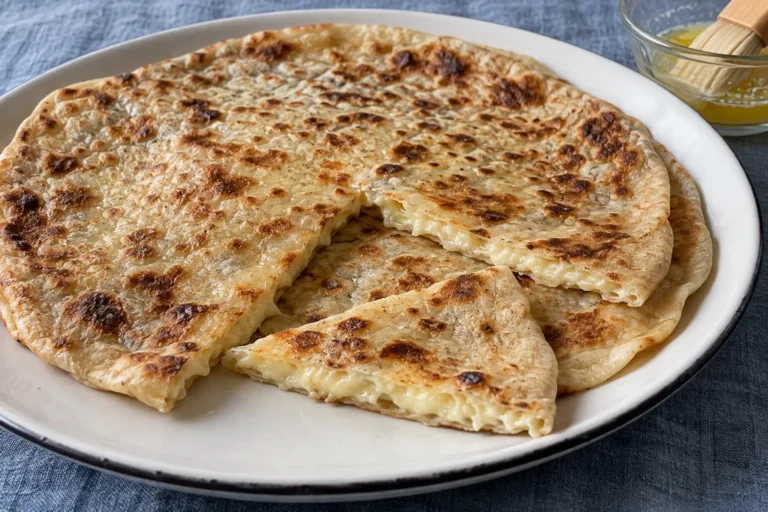
Lángos is Hungary's classic beach-and-market flatbread: yeasted dough fried crisp outside and soft within, then spread with garlic sour cream and grated cheese. Hungarians eat it hot, straight from the oil. Here plain milk kefir and milk make up the liquid in the dough, as some Hungarian families have done for generations.

Born on bread-baking day
The name most likely comes from láng, the Hungarian word for flame. On bread-baking mornings, which came only every five to seven days, dough scraped from the kneading trough was baked at the hot mouth of the oven. Frying in fat appeared in the late 1950s, mainly among small private vendors, and caught on in the 1970s.
Today lángos is a classic beach and bath food, sold beside Lake Balaton and Lake Velence and at Budapest's Széchenyi and Gellért baths. It is not only a summer snack. Budapest's Central Market Hall has a lángos stall, and Christmas markets sell it too.
Hot oil makes or breaks it
Oil that is not hot enough lets the dough soak up fat, so Hungarian cooks say never to put lángos into cold oil. Oil that is too hot browns the outside in seconds while the middle stays raw. Test it with a small piece of dough, which should rise and sizzle without darkening at once. Fry one flatbread at a time, because crowding cools the oil.
The yeast does the rising. Kefir gives a light, tender dough that fries crisp. Keep the dough soft instead of adding flour, and rest the balls 5–10 minutes so they do not spring back when stretched.
Garlic and cheese, or something sweet
Unlike pizza, lángos gets its toppings only after frying, and the classic market version was simply salted. Garlic, sour cream and grated cheese are the standard trio, and onion, bacon or sausage are common additions. Mild mozzarella can stand in for Hungarian cheese. For a sweet version, spread it with apricot jam or dust it with powdered sugar, and some cooks knead pumpkin seeds and sesame into the dough.




Comments
No comments yet.
Comments could not be loaded.
Join the discussion
or