


 By Nik, founder of 東歐嚴選|kefir.link and former chef · Updated 2 November 2026
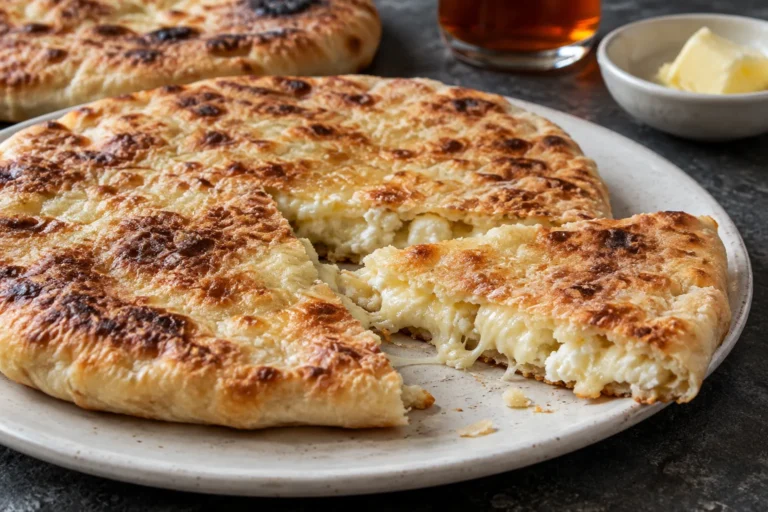
Proziaki are small soda breads from Podkarpacie in south-eastern Poland, cooked in a dry pan until both sides are golden and the centre is soft. They need no yeast, no oven and no long rise. The acid in kefir sets off the baking soda, which starts releasing carbon dioxide at once and puffs the rounds as they cook.
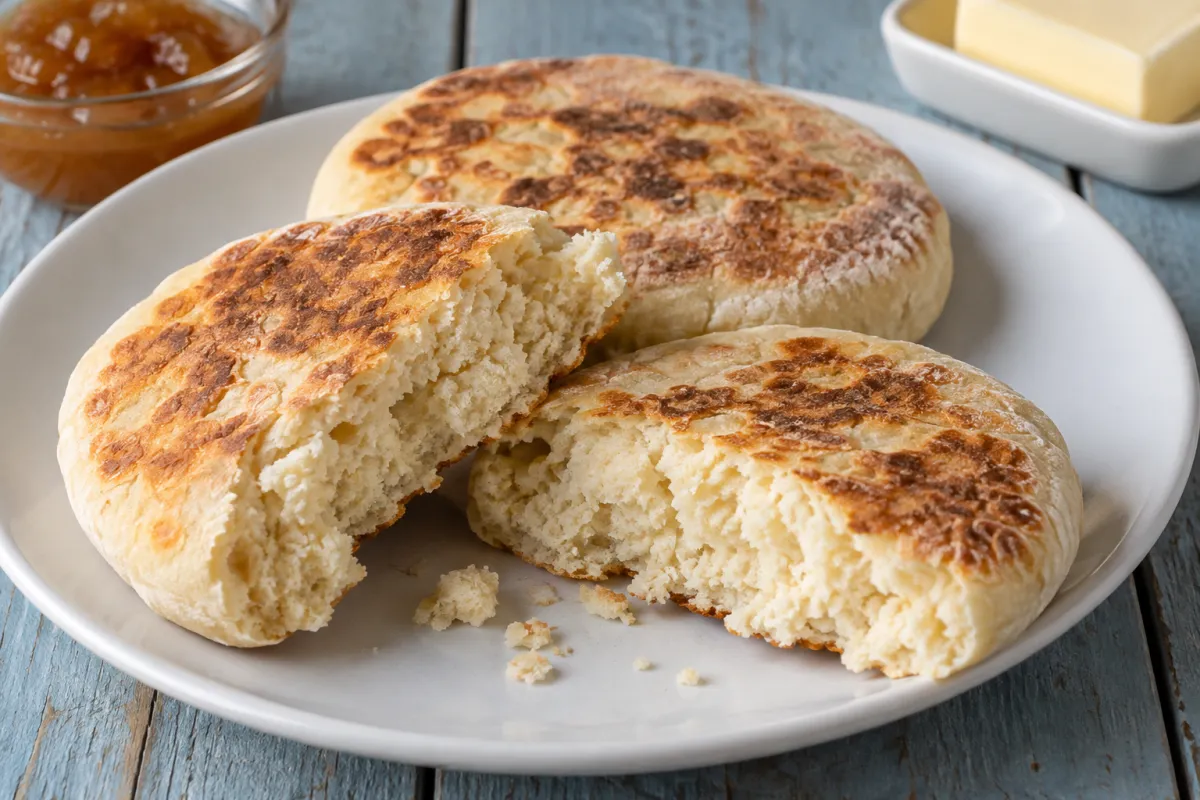
A half-hour bread for the days between bakings
In Podkarpacie, bread was once baked only once a week, and in poorer homes once every two weeks. When the loaf ran out early, proziaki filled the gap, because they took about half an hour and needed no sourdough. The name comes from proza, the regional word for baking soda, and the first written mentions in the province date from the second half of the 19th century, when baking soda reached the area. Cooks made them on the iron plate of a wood-fired tiled stove, and today a heavy cast-iron pan does the same job. In 2006 proziaki were entered on Poland's list of traditional products.
Light hands and gentle heat
The dough should hardly be worked, because long kneading tightens the gluten and makes the breads tough and dense, so stop as soon as the dough is evenly mixed and still slightly sticky. Thickness matters too: rounds thinner than 1 cm dry out, and much thicker ones may stay raw inside. When the burner is too hot, the outside burns before the centre cooks, which is why medium heat and frequent turning work well. Plain milk will not work in place of kefir, because the soda needs an acid to react with.
Fresh butter and cold milk, or something more
The traditional way to eat proziaki is with fresh butter and a glass of cold milk, or beside a bowl of soup. Butter with white cheese and herbs is a classic savoury topping, and in Podkarpacie they also go with wild-garlic butter or goat curd. Children got honey or fruit preserves, and a sweet dough can take a little sugar or honey. Split open, they also make sandwiches with pâté and pickled cucumber. For a change, wild garlic, poppy seeds or a little turmeric can go straight into the dough.


Comments
No comments yet.
Comments could not be loaded.
Join the discussion
or