


 By Nik, founder of 東歐嚴選|kefir.link and former chef · Updated 2 November 2026
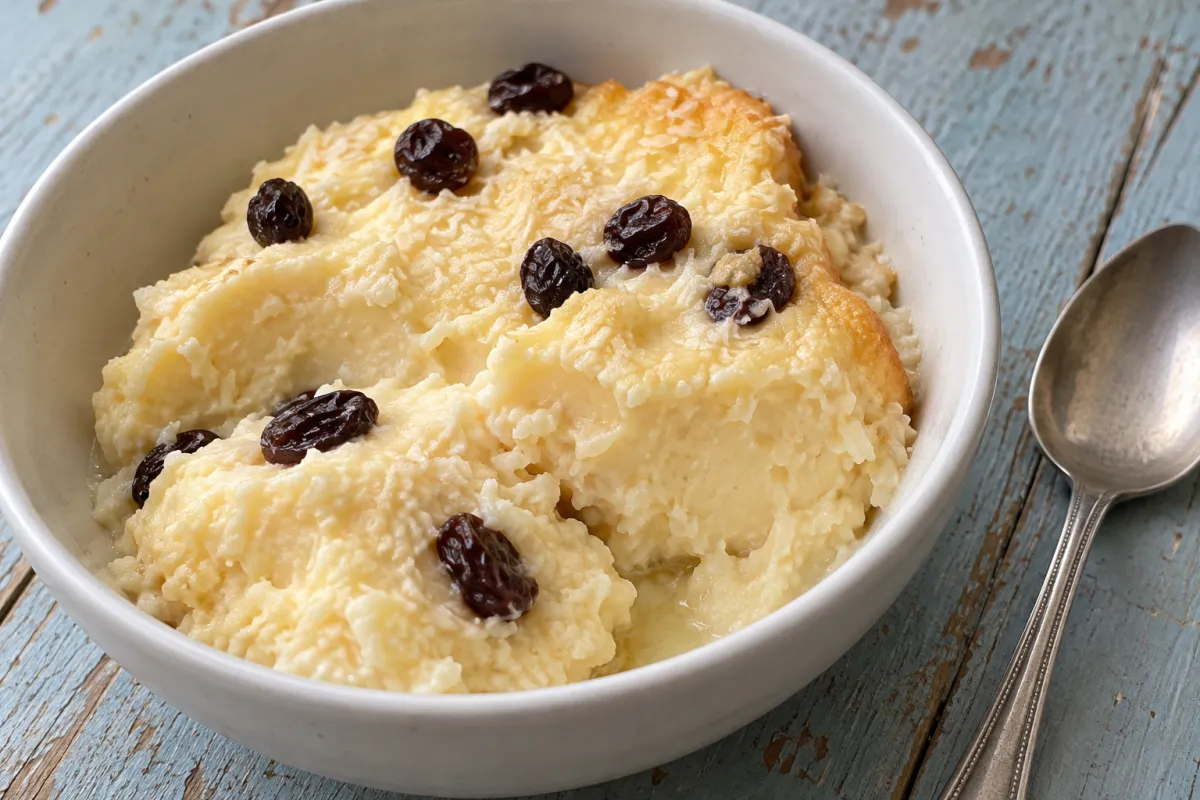
Pudim is the dessert Brazilians expect at Sunday lunch, and this version replaces some of the milk with plain kefir and adds finely shredded coconut. It bakes slowly in a water bath into a soft custard flecked with coconut, then chills until cold and creamy.
From convent sweets to the Sunday table
In Brazil, condensed-milk pudim is almost obligatory at Sunday lunch, appears at Easter and Christmas, and fills bakery counters. Its exact origins are uncertain, but Portuguese convent sweet-making is credited with shaping the version that took hold there. Brazil's first printed cookbook, from 1840, already has a baked pudding of cream, eggs and sugar. Condensed milk came later: it was made in Brazil from 1921 and recommended for puddings from 1955. The country even marks National Pudim Day on 22 May.
Holes or smooth, and why the water bath matters
A blender whips air into the custard, and strong oven heat sets the egg quickly around those bubbles, leaving small holes. Blending only briefly and keeping the water bath topped up gives a smoother pudim. This coconut version cannot be strained, so a few small holes are normal. Holes do not mean failure as long as the pudding is creamy and evenly cooked, and some cooks prefer them. The water bath matters more, because it cooks the custard more gently and evenly than dry oven heat, while too much heat or time tightens the egg proteins and squeezes out water. A pudim should rise only a little and settle again, so if yours puffs high and collapses, check that it sat in a water bath.
Serving it, and the no-bake cousin
This pudim has no caramel and needs no unmoulding, so serve it after dinner or with afternoon tea, spooned from the mould with raisins on top. For more contrast, add whipped cream, coconut ribbons or pineapple. In Taiwan, buy sweetened condensed milk rather than unsweetened evaporated milk, which would leave the pudding barely sweet. Brazil also has a no-bake kefir pudim set with gelatin and cream instead of eggs, but that is a different dessert.



Comments
No comments yet.
Comments could not be loaded.
Join the discussion
or